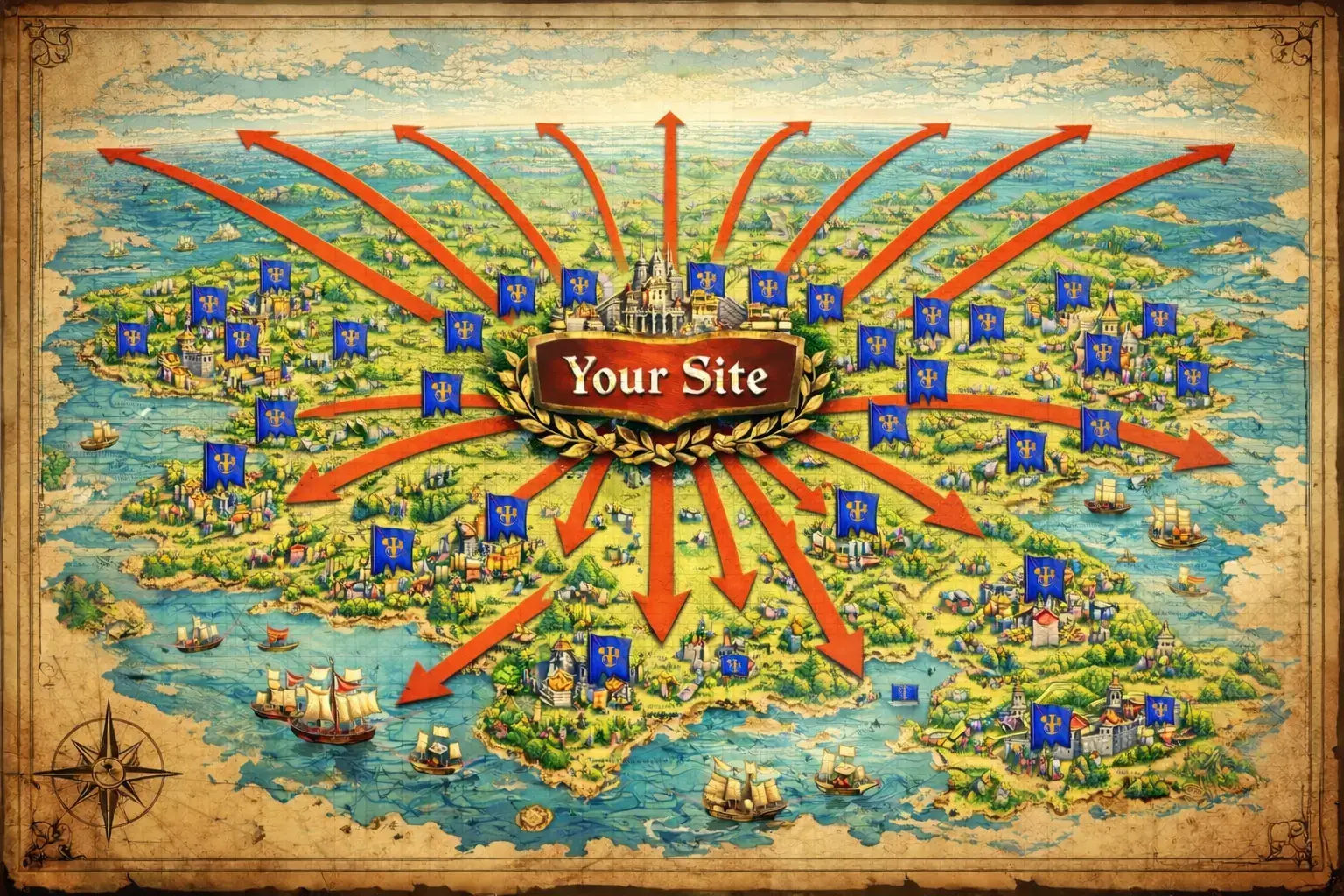

If you ever played a real-time strategy game or you played the board game Risk, the concept is the same:
You have your colonies.
You want to take over a new colony.
You send troops to that new colony.
You take it over.
Now you have another colony with which to expand from.
There’s actually a trick in SEO that’s the exact same concept.
SEO pages that rank and get clicks are your colonies
When you rank on Google, especially when you rank and get clicks, you have an asset that is generating SEO authority.
Search engine optimization, if you don’t know, basically runs on authority and relevance.
You want relevant pages on an authoritative website and you want the individual pages to all have authority.
Most people think that authority is only generated with backlinks. It’s not.
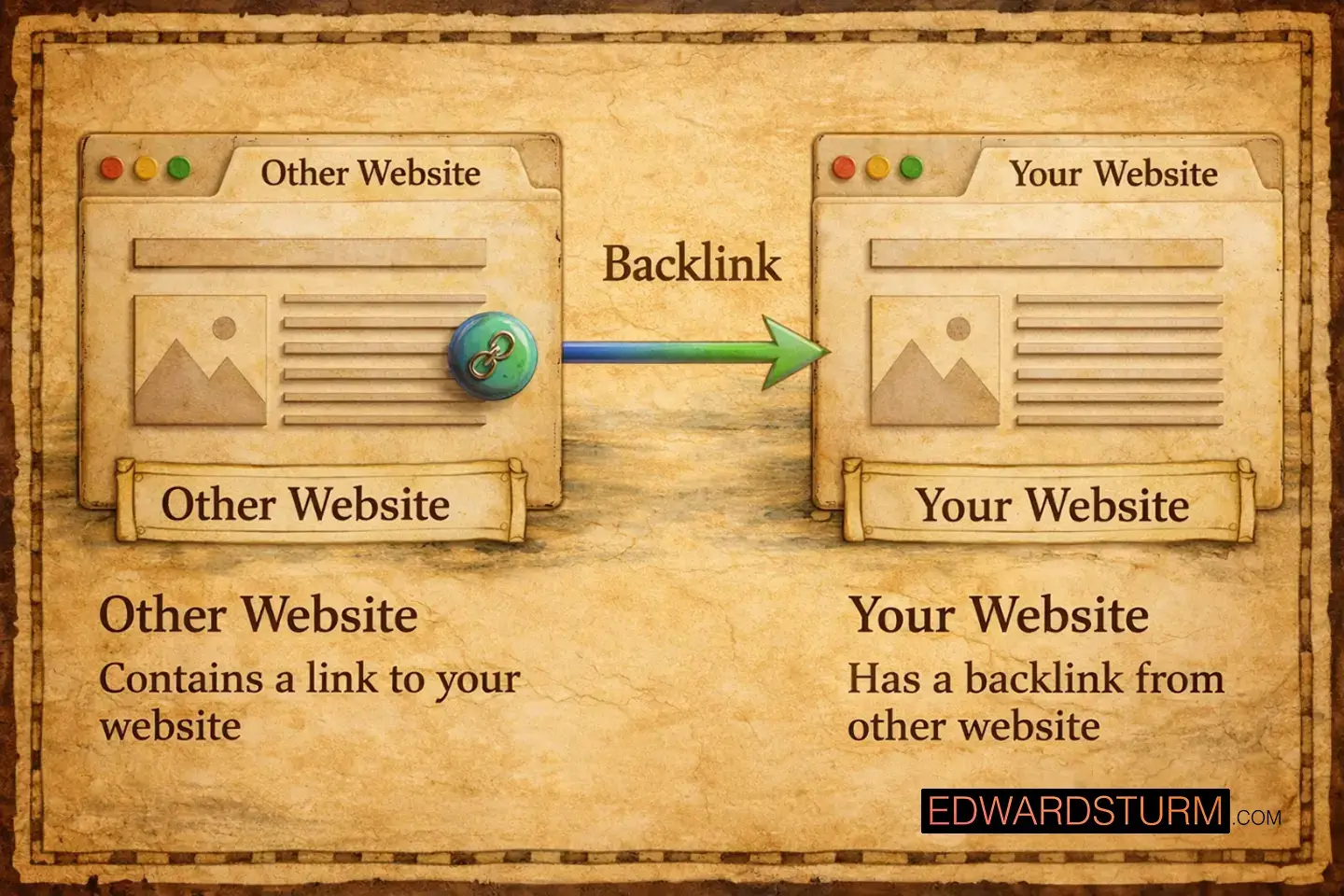
It’s also generated just by ranking and getting clicks where people are not going back to the search results to look for a better page (this is called pogo-sticking).
When you have a page that is getting these types of satisfied clicks, you generate authority yourself. You can then pass that authority to other pages on your site by linking to them.
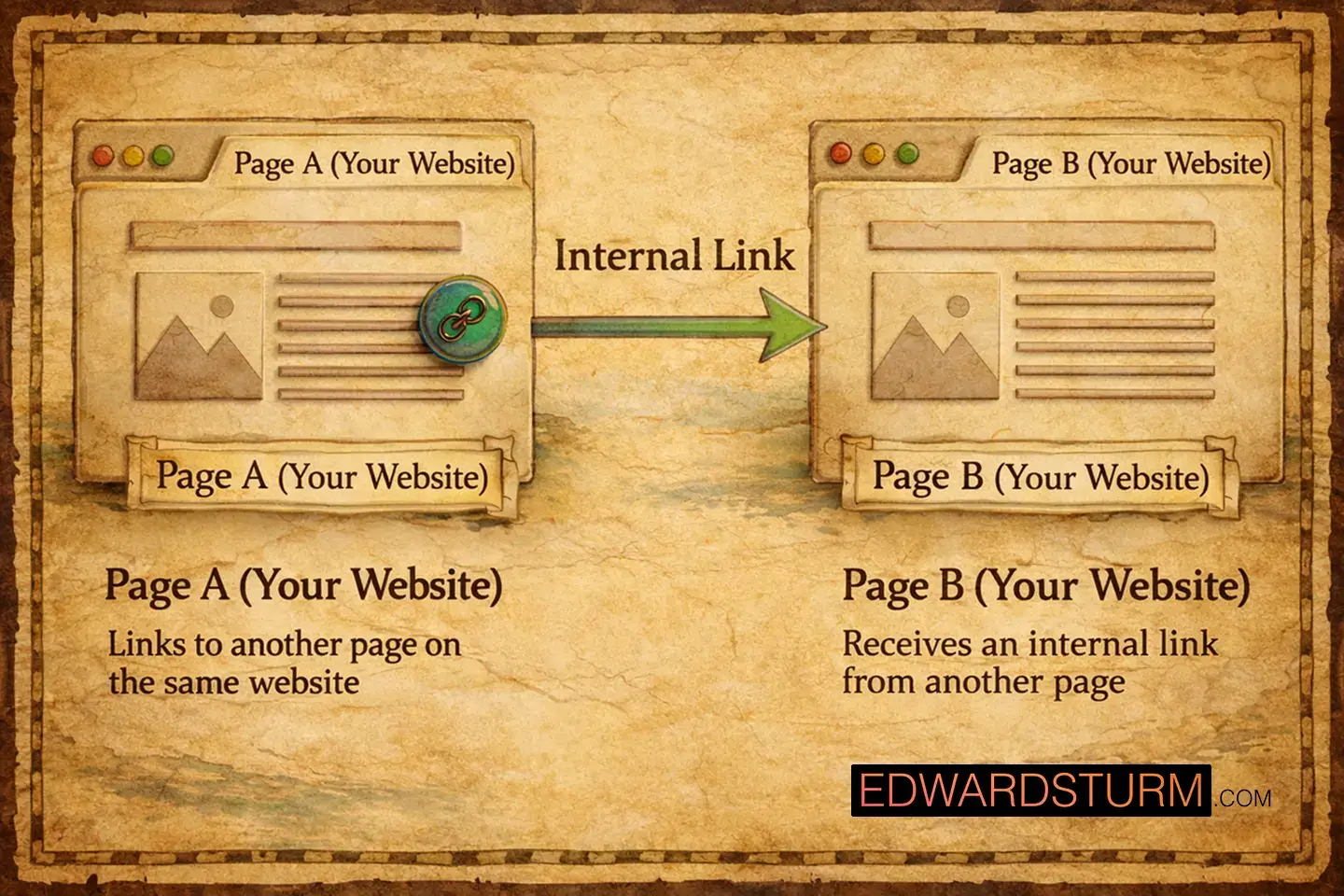
So the concept is this.
You have Page A that is ranking and getting satisfied clicks.
You have Page B that is not ranking and is targeting an uncompetitive keyword in your niche.
You take Page A and you link to Page B.
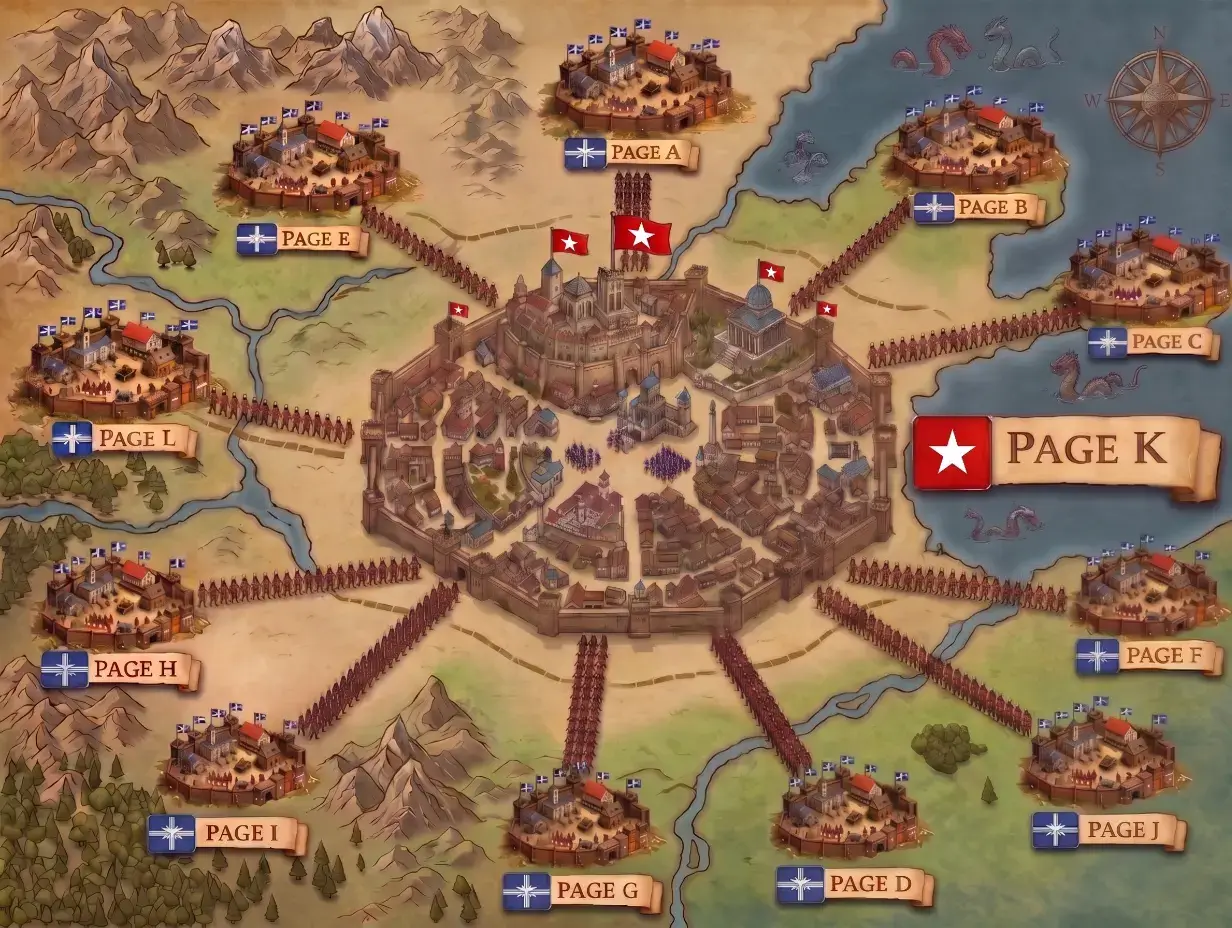
Page A passes some of its authority, like one colony passing troops to a colony that it is trying to take over.

Then Page B starts ranking.
Now, as Page B continues to rank and get satisfied clicks, it becomes its own asset generating authority for you.
You can use Page B to link to Page C (another colony you want to take over), so that Page C ranks better.
But you can also take Page A and remove its link to Page B (because Page B is already ranking) and instead link Page A to Page C so that Page C ranks faster – like redirecting troops from Page B to Page C.

You’ve already captured the keyword being targeted by Page B. You don’t need to keep linking to Page B with Page A unless the keyword is competitive enough or your content is bad enough that your rank on Google is fluctuating up and down.
And you can swap out these internal links every month. Once your page is ranking for its target keyword without fluctuating, you can send your troops (your authority) to new pages targeting new keywords.
The more you do SEO, the more assets you get that generate their own authority; the more colonies you capture with which to expand from.
Keep in mind that when you remove an internal link, you should still have the page linked to from somewhere. You don’t want your page to have zero internal links going to it. This is called an orphan page in SEO and it’s not great.
And you also should constantly be trying to get backlinks from websites that send real visitors.
But the concept of pages becoming their own authority-generating assets is so strong, I recently had an entire podcast about it. You can watch it here if you want to learn more:
Your action plan
If you have no pages ranking, start by trying to rank your homepage.
For most people, ranking the homepage for your brand name is the easiest thing to do in SEO.
Just build backlinks to your homepage.
You can start with these two podcast episodes:
Your homepage will be supercharged with authority from your backlinks and from it ranking (especially if people are searching your brand name).
Link your homepage to a few pages targeting uncompetitive keywords in your niche. These will be your initial colonies to grow from.
As is shared here, the more links you have on your homepage, the more your authority is diluted.
It’s the same thing as if you have a colony sending troops to lots of different places. By sending your troops to lots of different places, you’re spreading your resources thinner.
So you take your homepage and then link it to just a few initial pages targeting “easy” keywords.
If you want to learn what easy means, I share exactly how there are all these gaps in SEO keyword targeting in this podcast episode:
Essentially, easy keywords are ones that aren’t being targeted by other websites.
Similar to a real-time strategy game, the most powerful keywords for generating your own authority are often the most competitive.
But also similar to a real-time strategy game, most players start from zero, so you can start slow and scale up strategically.
You can use your ranking pages getting satisfied clicks to rank for more easy keywords, then build up enough authority to send all of it to a page targeting a more competitive keyword.
For targeting easy keywords:
You can do the People Also Ask trick.
This trick entails making pages targeting People Also Ask questions, which oftentimes are not competitive and therefore easy to rank for.
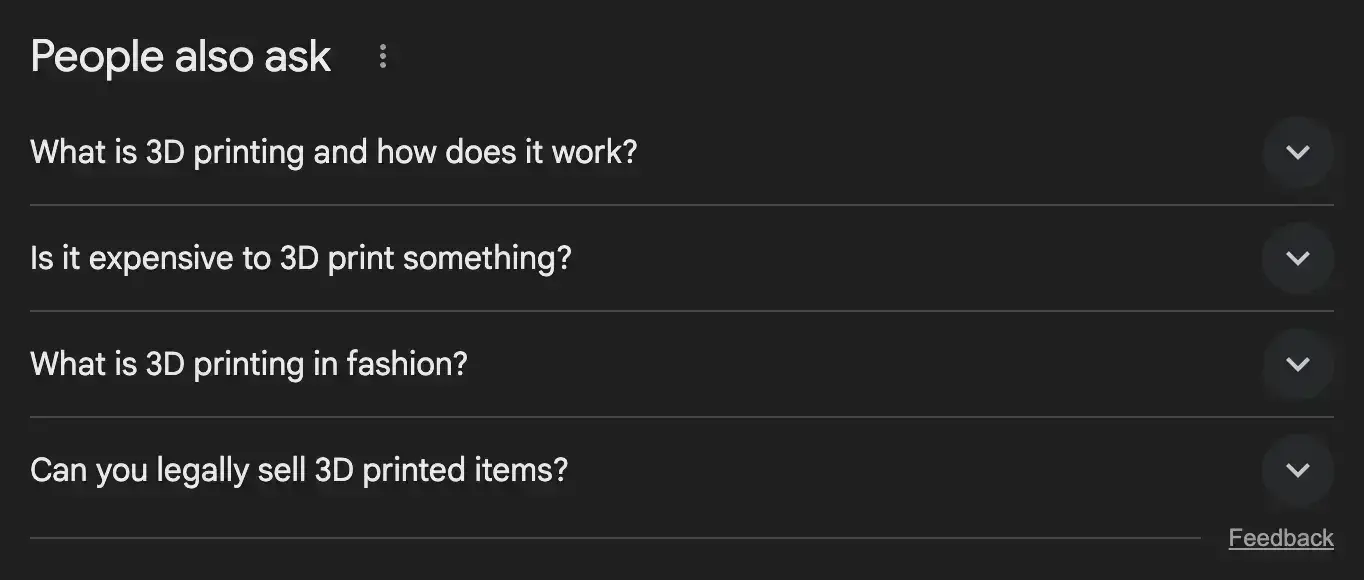
Ranking for these keywords are great.
Even though they’re top-of-funnel and therefore mostly don’t have purchase intent, they can still be valuable for getting some top-of-mind awareness, moving people into a sales funnel, and of course, generating SEO authority.
These keywords are super easy to rank for. I share how to do it here.
My favorite type of easy keyword, however, is bottom-of-funnel keywords.
Bottom-of-funnel keywords are searches people are doing with high-intent. These searchers already know what they want and are just looking for a brand to give them what they want. They are looking for an outcome and oftentimes are willing to pay for that outcome without requiring much selling.
Bottom-of-funnel keywords are also usually uncompetitive.
There are fewer searchers at the bottom-of-funnel; so because the search volume is less, fewer marketers create pages targeting these keywords.
And so while you’re building up your SEO authority, acquiring colonies by ranking for easy bottom-of-funnel keywords, you’re simultaneously getting customers, users, or warm leads.
If you want to learn more about this method, you can get that with my SEO course at https://compactkeywords.com/
Compact Keywords is about finding and ranking for bottom-of-funnel keywords, creating pages that convert searchers, structuring your site for these pages, building backlinks, and more.
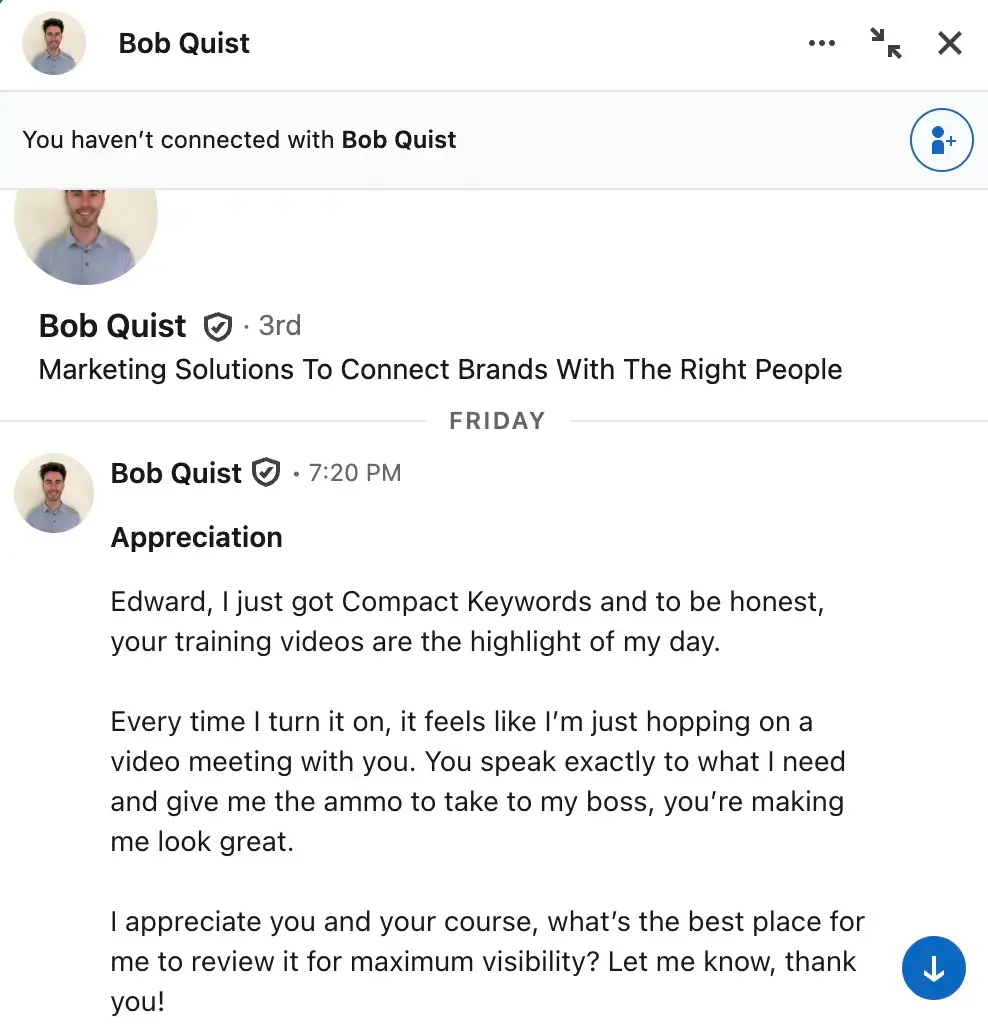
Here’s a message I got about Compact Keywords a day and a half ago:
And here’s more testimonials from happy customers:
“These pages drove an extra $3 million in revenue from organic search over the following year.”
– Dominick DeJoy
“Booked about $100,000 of business through SEO in my first year with the Compact Keywords method.”
– Robert Brill
“Compact Keywords contributed to a $4,000 sale within the first six weeks.”
– Omar Abu-Shaaban
“I’m now ranking #1 on Google for 25+ keywords and hundreds on Bing – with a new site – after starting Compact Keywords only two months ago. Everyone needs to take this. You will see results you can’t even comprehend.”
– Jacob Darrah
“Give it to a junior employee, have them follow it exactly as Edward’s laid out, and you’re going to gain a six-figure SEO-level employee just by having them go through this course.”
– Jon Ray
“Now I have more than 20 pages ranking #1 and #2 for my company.”
– Alejandro Morelli
“I bought Edward’s course a couple months ago. Recently I got my first sale from my high-ticket dropshipping store. The sale was $500. I did the bare minimum just to test the strategy.”
– Kristijonas Grigauskas
Get the course at https://compactkeywords.com/
Start
Regardless of the route you take targeting easy keywords, all you need to do now is start.
Create pages that rank.
These are your colonies.
Use them and go take over the world.