
Large language models are doing more thorough research into the companies they recommend.
If you want to be one of these companies, this is what you need to know.
This doesn’t happen with every prompt, but the trend of doing thorough research off simple prompts has been increasing.
Some examples:
Perplexity
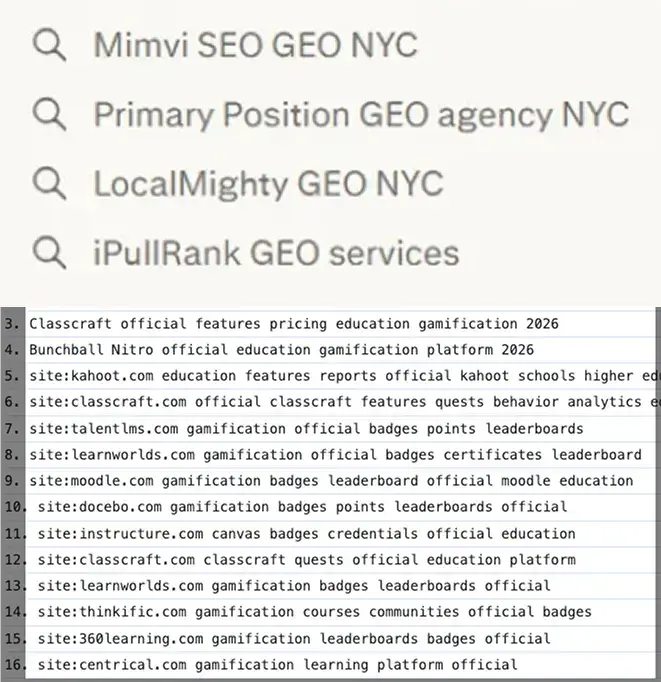
Below is a screenshot of the research Perplexity is doing.
It starts with the initial query fan-out (QFO). This sounds complicated, but it’s not. It’s just the searches an LLM does to get its information.
This next part has been happening more frequently than it used to: grounding queries.
These are follow-up searches based on what was learned from the original query fan-out (the original searches).
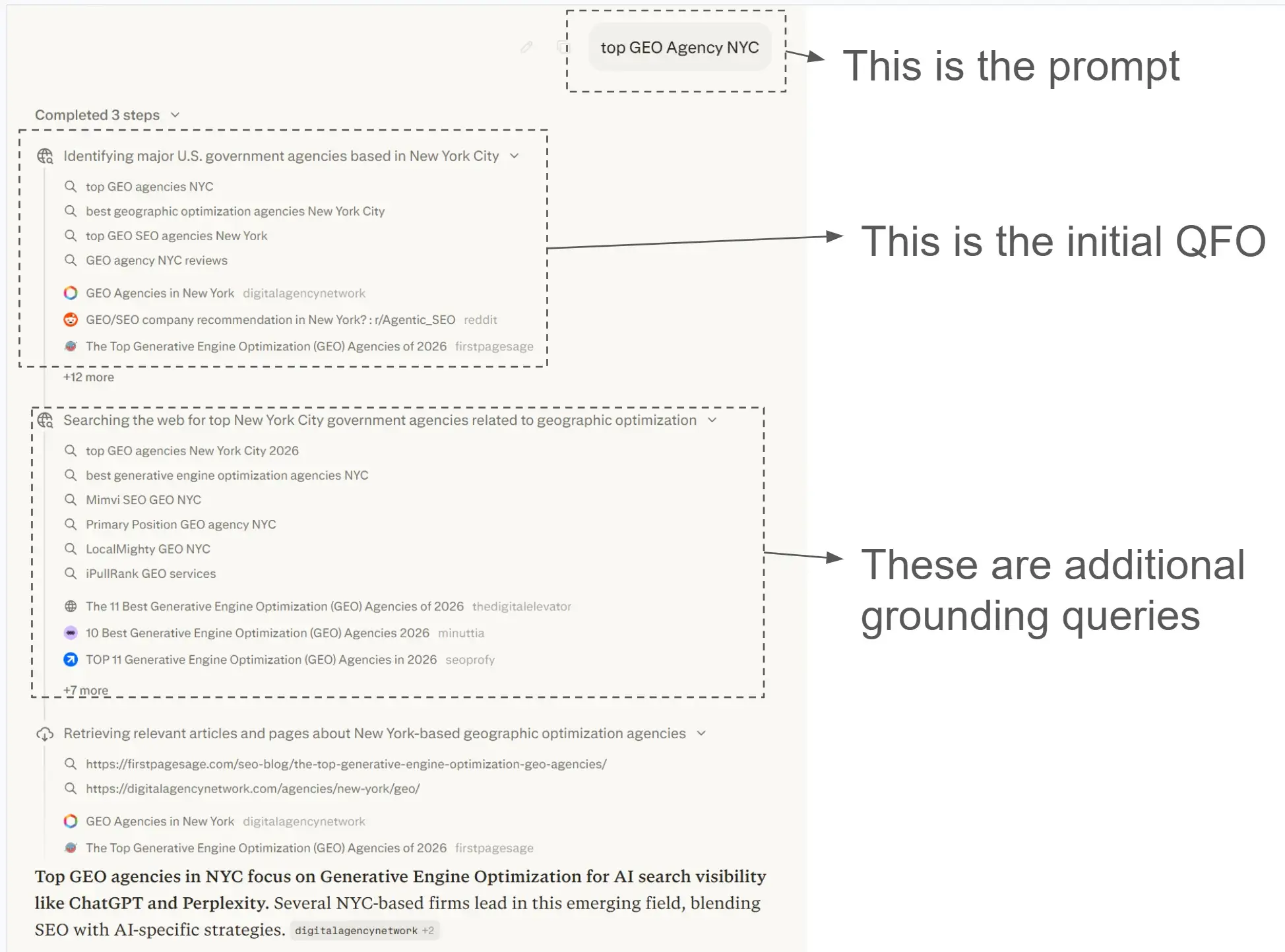
Perplexity did initial research then automatically LOOKED DEEPER into the brands it found!
ChatGPT
We see the same thing with ChatGPT.
Again – these types of deep searches are not happening with every prompt, but they’re happening more often than they used to.
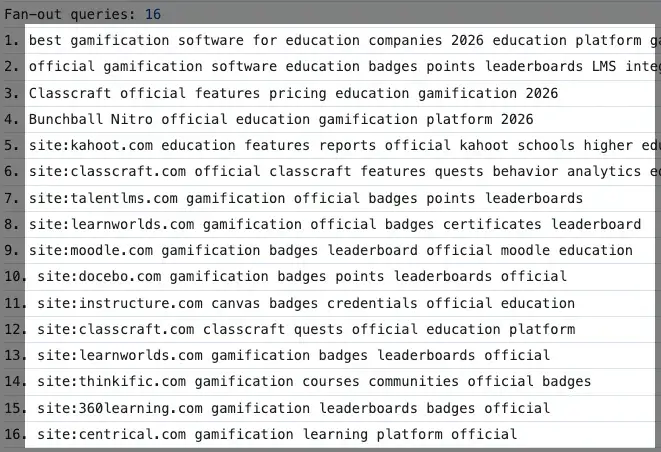
Just as Perplexity did, we see ChatGPT start with broad searches then go deeper into the brands it found.
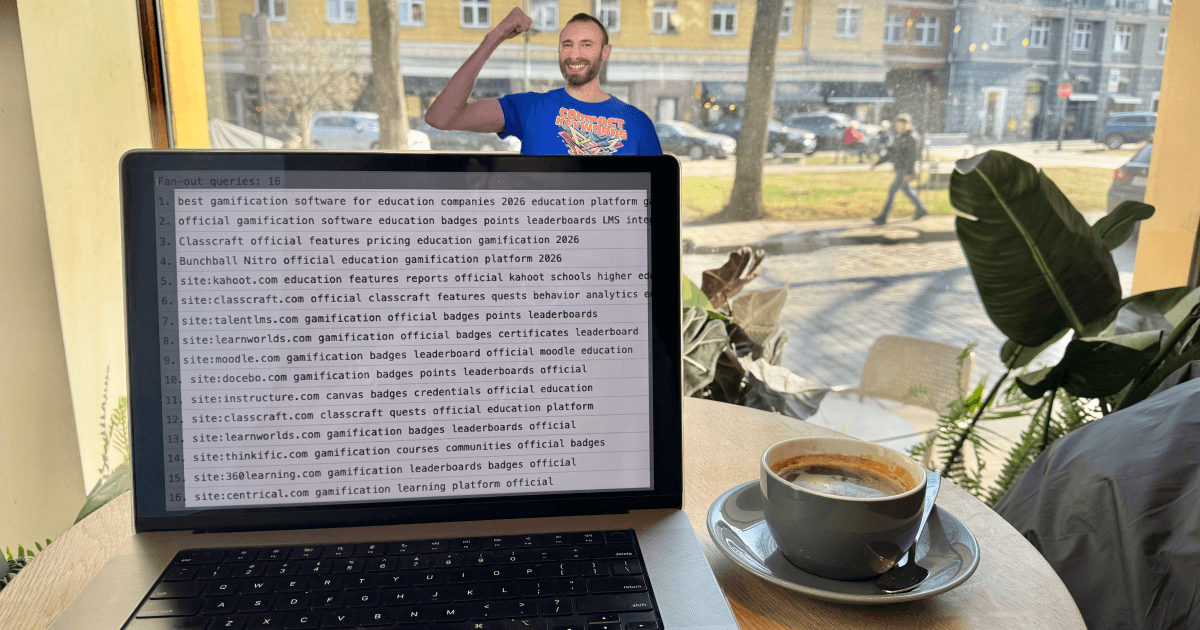
Unlike Perplexity, in this screenshot, ChatGPT is doing less searches for external validation and more on-site searches.
ChatGPT is using the “site:” search operator to gather specific information from the brands it found.
How to use this information to get recommended more in LLMs
The LLM won’t go deeper on your brand if it doesn’t find it to begin with.
Claude and Perplexity will show you the exact initial searches they are doing. With ChatGPT, use a tool like this.
Create pages for these initial searches. Put the exact search (written naturally) in your: page title, URL slug, meta description, H1, and beginning of your first sentence.
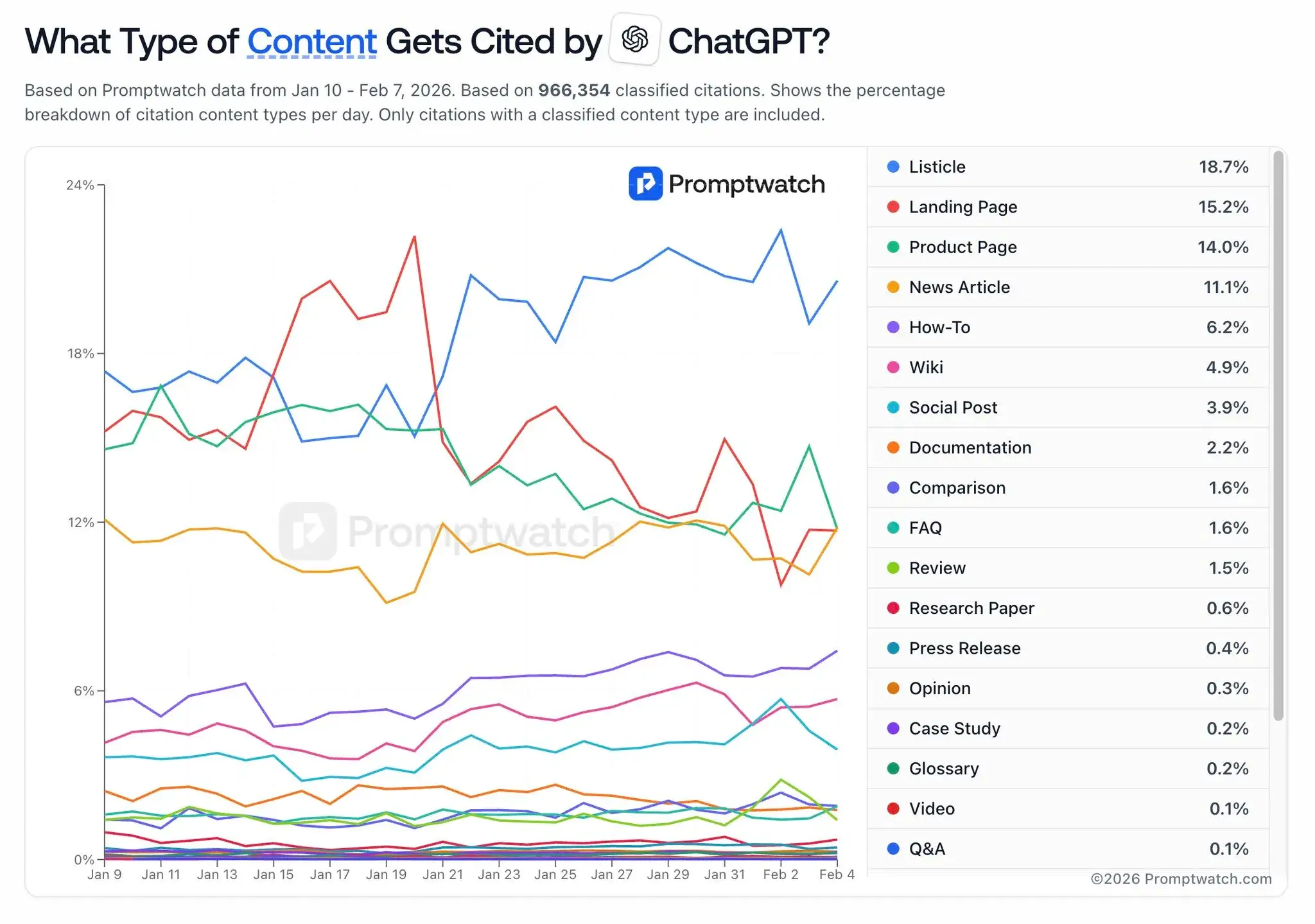
In terms of content to make, this new research from Promptwatch shows listicles, landing pages, and product pages to be the most cited content in ChatGPT.
My SEO course specifically focuses on making these landing and product pages.
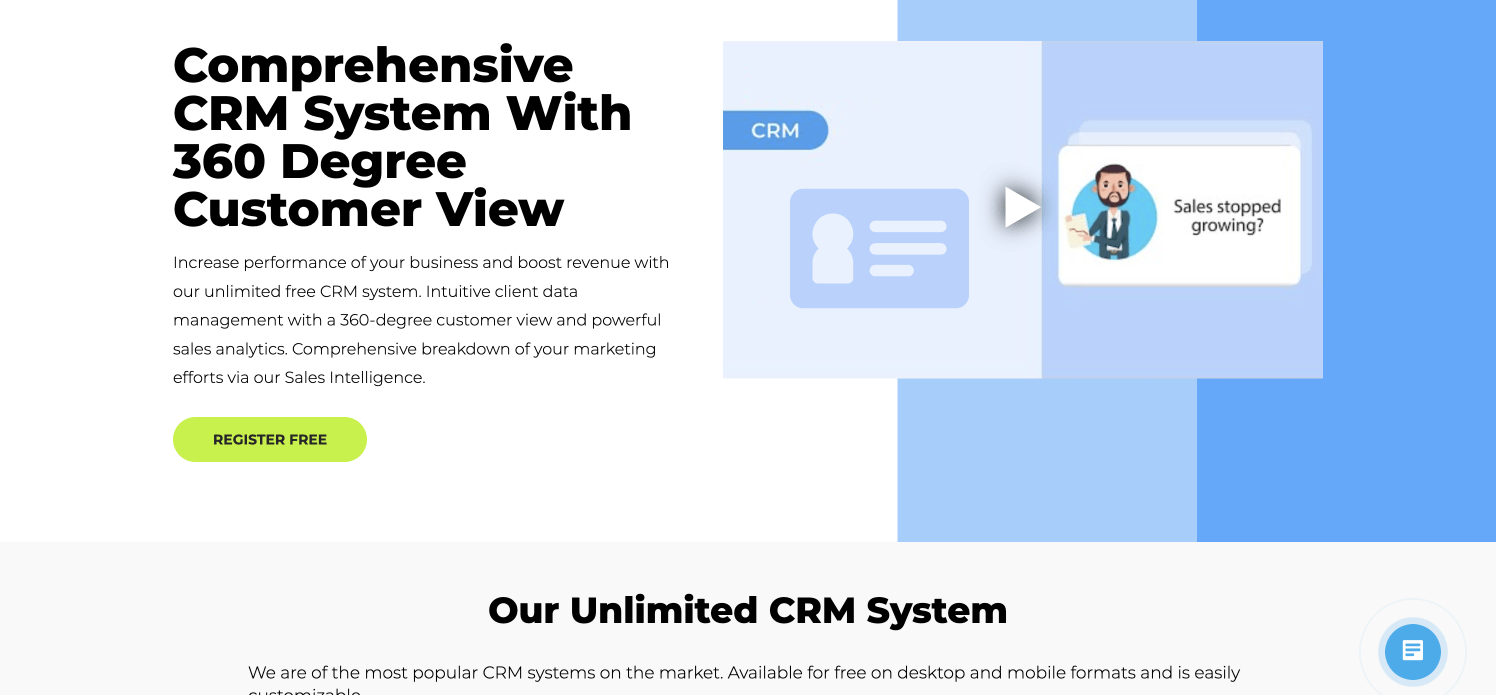
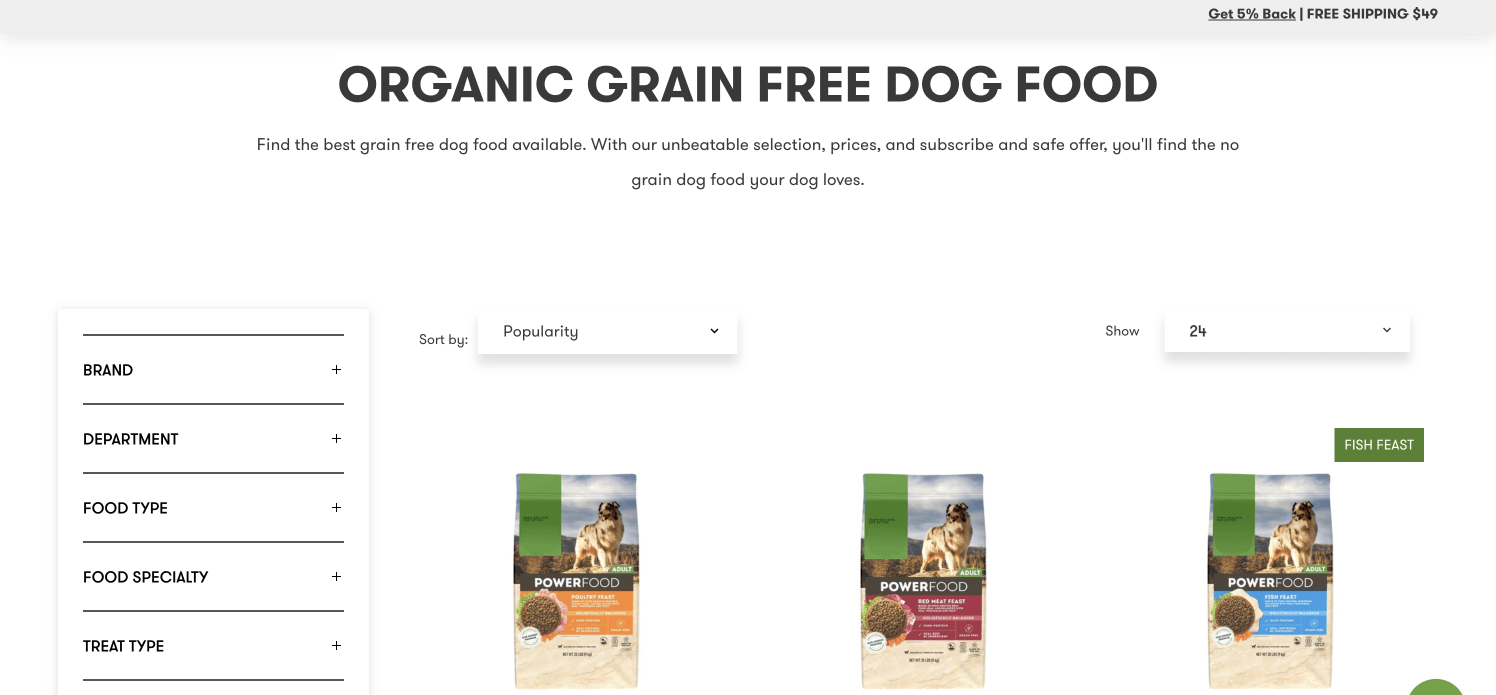
But students of the course are also using what they learn to make listicles that outperform the top brands.
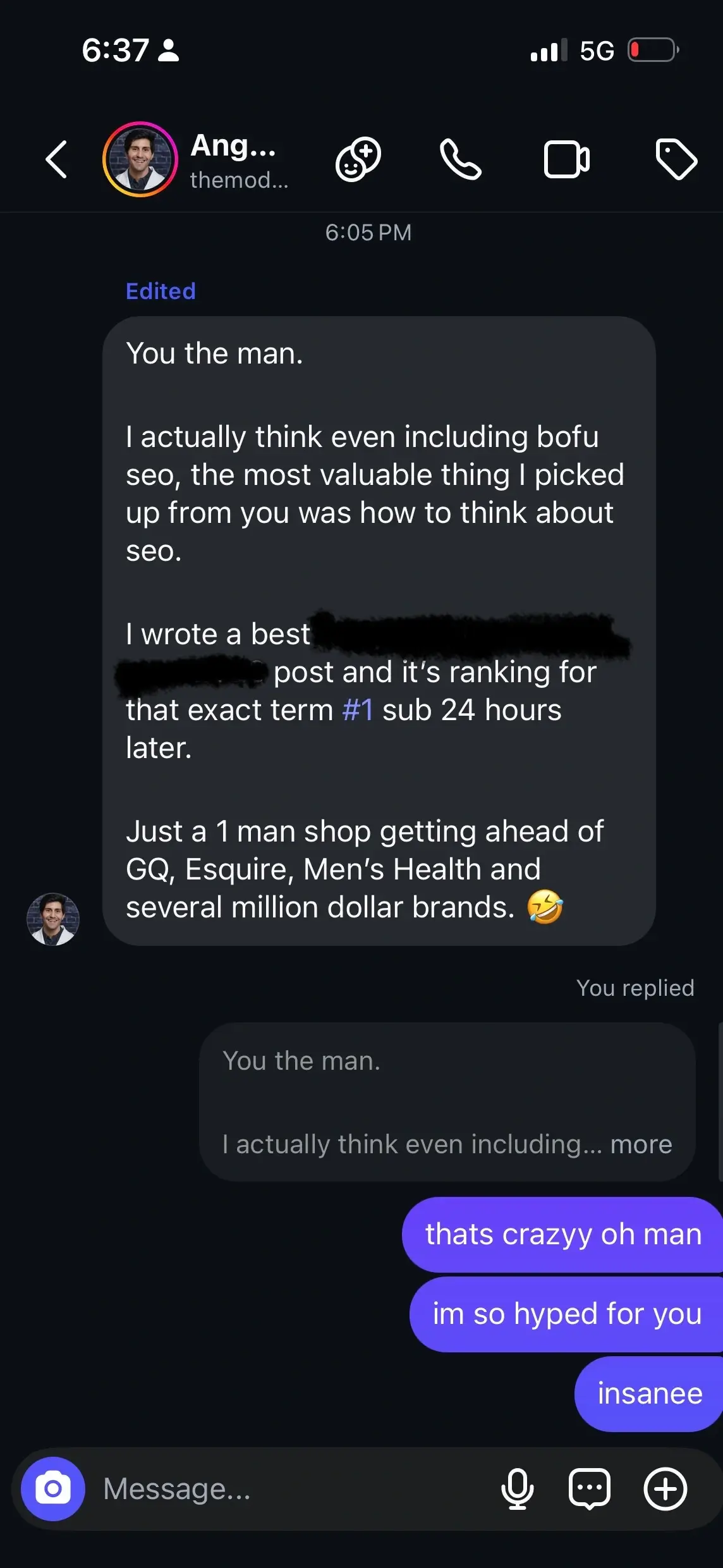
Angel, who took Compact Keywords, created a listicle that is outperforming the top competitors in his niche:
Show why you are awesome
After your brand is surfaced in the initial search, you next need to have documentation and evidence as to why you are awesome.
This evidence needs to exist on your website and off your website.
What I love about SEO landing and product pages is they show up in the initial searches, while going deeper than listicles in proving why your brand is the best fit for your target search term.
This increases your likelihood of getting recommended – because you thoroughly explain why you are an ideal option for what you’re targeting.
With a listicle you will likely need to have a lot of supporting information across your website that supports the claims you’re making.
This supporting information will look like: documentation, features, processes, awards, companies using you – all things you should already have on an SEO landing/product page.
Off-site, aside from standard SEO link building, focus on having searchable positive reviews and getting into others’ lists.
You can use this trick to flood the Internet with your positive reviews – basically, syndicate your reviews to the most-clicked websites in search with language people use: review, rating, testimonial, is X legit, is X a scam, is X real.
These reviews show for the follow-up searches (the grounding queries), making you more trustworthy.
For getting into others’ lists, Nathan Gotch shared this on my podcast a few days ago:
“I’ll email people with the most-cited lists that show in LLMs and say, ‘Hey, we have this product. I’m wondering what it would take for us to show up on this particular list.’ I don’t even ask for a link. I say, ‘What is it gonna take? What’s the investment?’ I always lead with money because unfortunately it talks.”
So now you get consensus by appearing in more lists than your own.
Another method – press releases saying why you are awesome for the target search term. Put the search term in the press release title, subtitle, and beginning of the first sentence. These are shown to immediately influence LLMs.
These also work for traditional search
All of these are phenomenal traditional SEO tactics.
- SEO landing and product pages are outstanding at showing for high-intent, non-branded and branded searches AND at converting visitors of the pages
- This is why my SEO method is so highly dedicated to this tactic
- Listicles are more middle-of-funnel and therefore have decent search volume from real searchers
- Lots of real people doing due diligence will search for reviews and comparisons before purchasing
- Compact Keywords also shows you how to make comparison pages targeting competitor brand names
- Press releases don’t just influence LLMs, they influence searchers
LLMs are doing more thorough research than they were before.
But getting recommended by them is not a black box.
Learn their searches.
Target them.
Demonstrate why your brand is ideal and trustworthy.
And then they will say you are the top pick for the prompts people use.