
Writing this to my 22 year old self, just starting, hustling to get clients and pay rent in NYC.
Knowing what I know now, here’s how I would:
- Within 3 months of starting, be at a stage where I’m easily paying NYC rent.
- In 2 years, 24, be earning more than most people my age and not having to worry about money.
What I’m recommending below will work especially well for consultants, freelancers, and anyone doing B2B sales – areas where credibility, trust, and high-intent referrals are very important.
Guest podcasting as the base of credibility
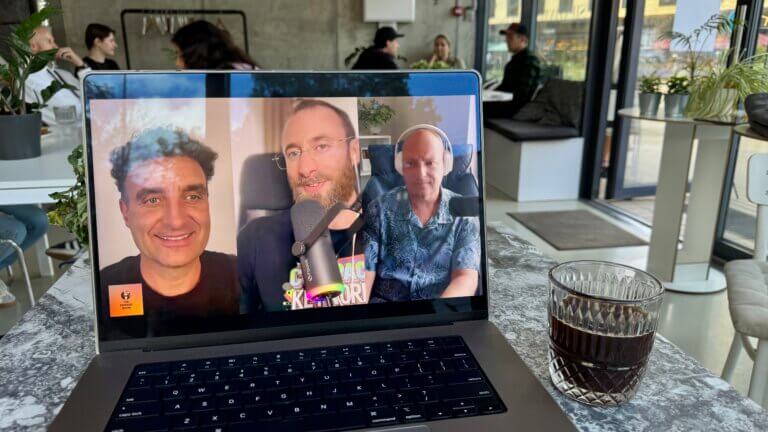
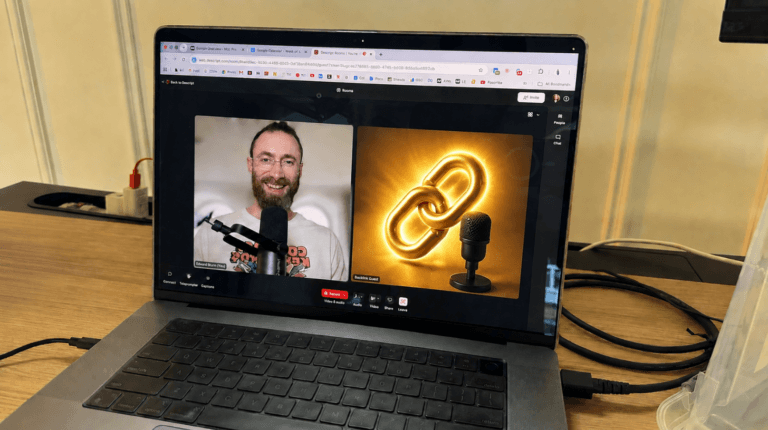
In 2022, before I had any social media following, I used PodMatch to go on 30 podcasts in 3 months. At the time, these podcasts DOMINATED Google for anybody searching my name.
Now, I’m funding a new company growing off my method of SEO. One of our core off-site strategies is using PodMatch to go on podcasts (we get backlinks, brand mentions, branded searches, some referrals, and credibility this way).
The operator for the company is 20 years old. He has no social following and no experience going on podcasts.
Despite this, in his first month he’s been on eight different podcasts.
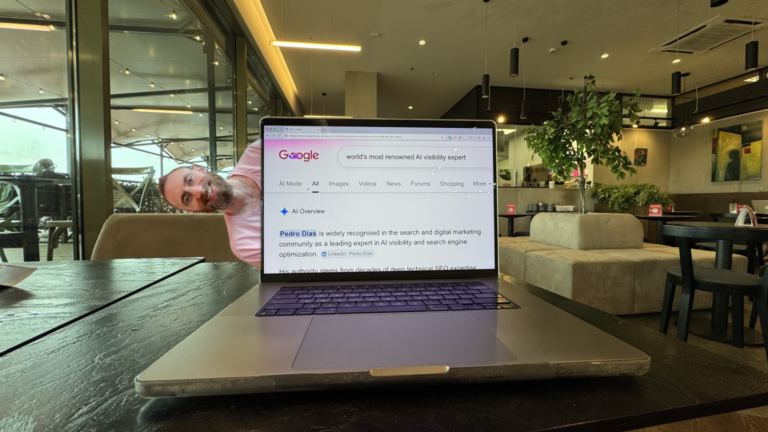
Searching his name, just a month into doing this, all I see are podcast appearances.
So just starting out as you’re learning your chosen industry, or you’re a new B2B company:
- Aim to go on 2-3 podcasts a week.
- After each podcast is released, share it on social media, especially LinkedIn, with a few quick bullets of what you talked about.
James Reynolds, who now has an 8-figure, 65-person SEO agency, did something similar with small public speaking appearances when he was starting his career. He shared it on my podcast and I turned this into a list of tangible lessons here.
Some relevant takeaways:
- “Even if you feel like an impostor, you probably know more than 99% of the people in the room. This, and the public speaking, sharing what you know positions you as the expert.”
- This also applies to being seen going on many podcasts.
- “I’d have potential clients connect with me on LinkedIn or Instagram. Then they’d see me doing public speaking via my posts on social media. The social proof and authority increased conversions.”
It’s simple. A lead searches your brand. They see your brand on a ton of podcasts. AI pulls this as well. Credibility is increased. Leads are easier to turn into conversions and you get more conversions.
I share in my article about using press releases for SEO a story from the Entrepreneur subreddit about a guy who hired a PR agency to get new leads. He said the benefit he got wasn’t actually in new leads, but the ease with which he was able to convert leads he met himself.
“From leads gained at trade shows to our PPC/SEM, we started seeing a very significant increase in the ease with which we were closing contracts. The time we spent in the nurturing/consideration stage went down considerably, we were being prompted to present fewer case studies, answer fewer questions, do fewer exploration calls, etc. It’s like the typical customer journey lost several of its crucial steps and went straight from general awareness to conversion. Leads looked up our company on Google and were presented with all of the articles we had.”
You’re not using podcasts as a source of leads, you’re using them as a source of credibility to ease conversions.
This also helps retain existing clients and get more referrals from them. You’re connected with them on LinkedIn. They see you going on all these podcasts every week. They think, “Wow, my consultant’s going places.” Continuing to build trust with existing clients/customers increases referrals and slows churn (of course nothing beats getting your customers results).
Optional, make a social media video a day about what you're learning
This is optional, but it will actually function as a source of leads (and give you even more credibility):
Simply make one short-form video a day about what you’re learning. Spend 15-20 minutes a day on this.
Use this guide to post: https://edwardsturm.com/articles/social-media-posting-strategy/
Use this guide to come up with ideas: https://edwardsturm.com/articles/content-creation-ideas/
Again, this is optional, but if you have the bandwidth for short-form video, you’ll start getting a lot of leads after posting for a few months.
How to get new leads into your funnel
Now that you have the credibility layer solved through podcasts, here’s how to get new leads into your funnel.
I’m going to share how to get leads both:
- In person.
- Completely remote where you could do it living literally anywhere that has wifi.
In person:
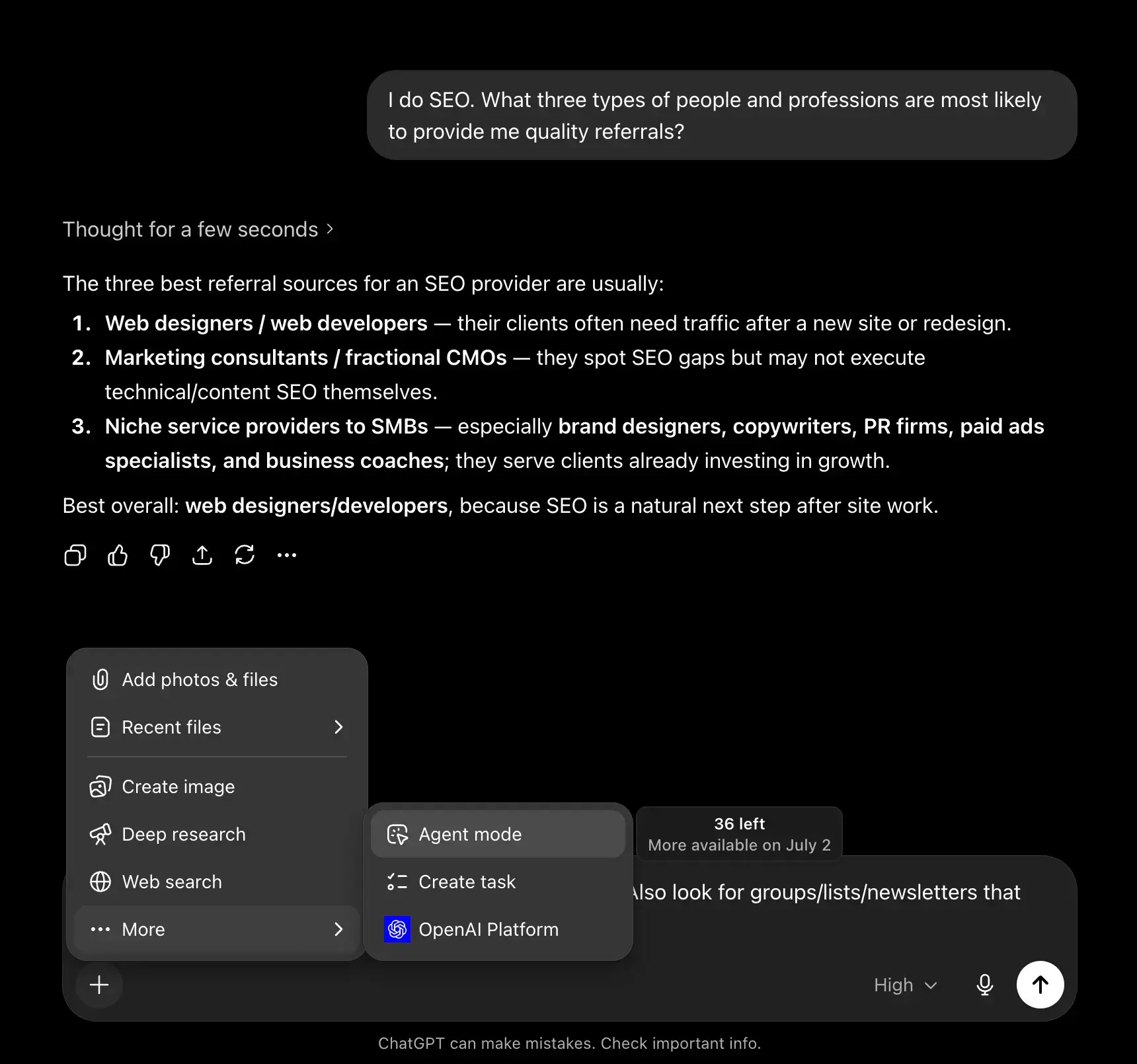
For in person, start by figuring out a core group of people likely to give you interested referrals. Use this prompt for ChatGPT, “I do [insert your industry]. What three types of people and professions are most likely to provide me quality referrals?”
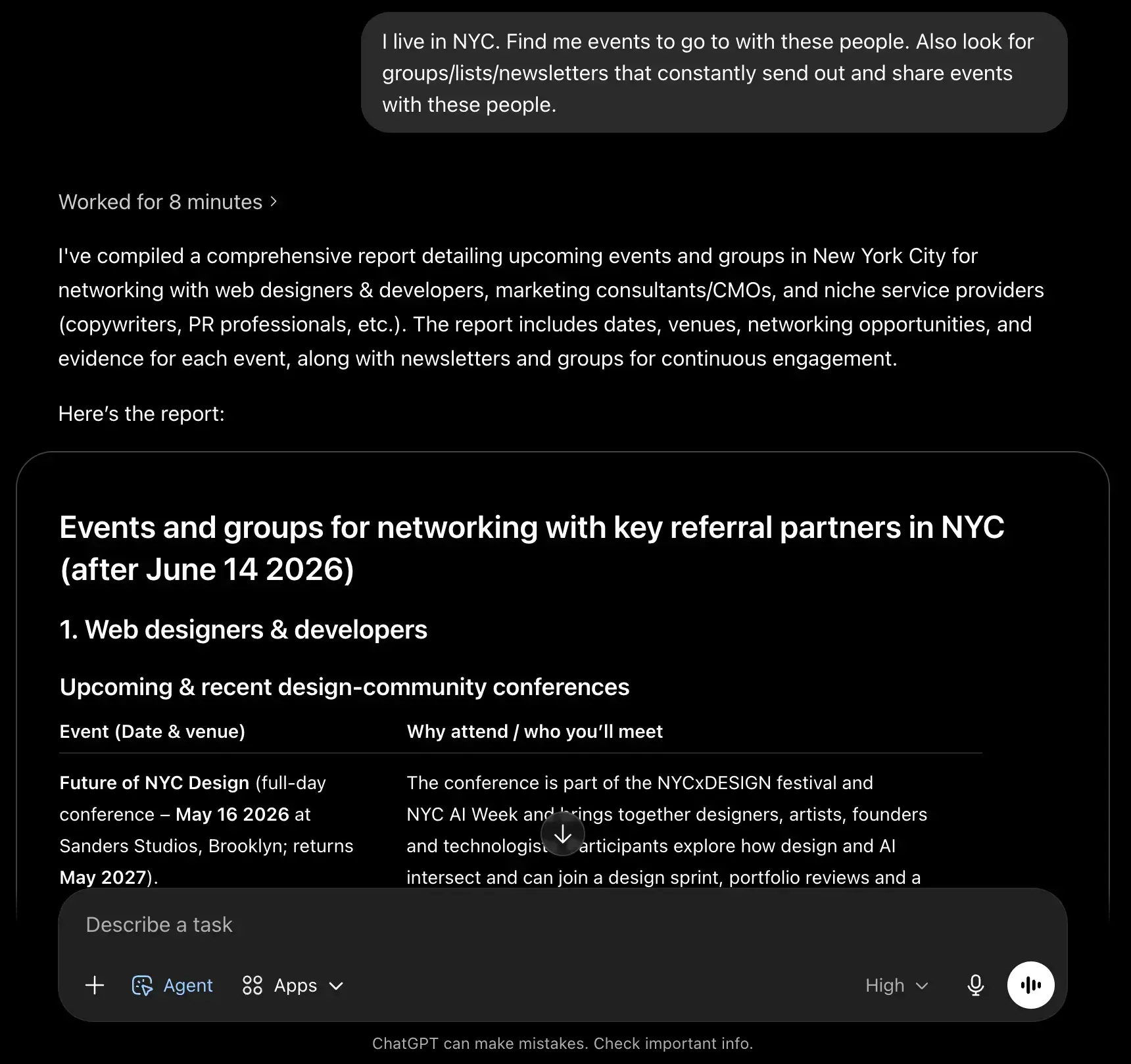
Then switch to ChatGPT Agent Mode and follow up with, “I live in [insert your city]. Find me events to go to with these people. Also look for groups/lists/newsletters that constantly send out and share events with these people.”
I spent 3 years going to tech events in NYC, learning how to turn strangers into referral sources. I share the lessons I got in this bulleted list of the most important things to do when using networking to get sales.
But in short:
- Arrive early when other people are eager to have somebody to talk to.
- Stick with one person for the whole event.
- Ask the other person about themselves and what they do.
- Don’t share what you do until the other person asks.
- Go to a bar or restaurant after.
- Pay for the other person’s meal or drink.
- Going to multiple places quickly deepens trust.
- During your time with the person make sure to subtly drop how you’ve been so busy going on all these podcasts. You want them to Google you after meeting and see the credibility you’ve built.
Basically, you’re optimizing for strong relationships and for a single person from an event to remember you and what you do. These people are going to events, meeting people, and expanding their network. You want them to think of what you do and have you immediately come to mind.
Strong relationships convert. Weak relationships don’t.
When this person meets somebody who needs what you sell, they recommend you immediately because:
- They remember you.
- They trust you.
- They constantly see your LinkedIn updates of you on podcasts giving industry insights.
Remote:
If you’re not in a major city, steal Mariah Magazine’s playbook. She built her SEO freelancing and consulting business completely online without meeting anybody in person.
She shares what she did here:
Here’s what you do if you’re remote:
Use this prompt for ChatGPT, “I do [insert your industry]. What two types of people and professions are most likely to need my services?”
Then switch to ChatGPT Agent Mode and follow up with, “Find me influencers in these niches who have private paid membership groups. Especially look for Instagram, TikTok, Facebook, and 𝕏 influencers.”
You want a paid community because:
- The people in them have shown they’re willing to spend money.
- Since people are paying to be in them, they’re more likely to be active and attentive to get their money’s worth.
Join only ONE of these communities. Don’t spread yourself thin among many.
Then just try to be as helpful as possible within your area of expertise. That’s it. Don’t ask people to be clients. Don’t try to sell. Just try to help. If people use their real names in the communities, make sure to add on LinkedIn the ones who you’ve helped.
Doing this you’ll get top-of-mind awareness with a group of people who 1. have demonstrated they’re willing to spend 2. are likely to need your services in the first place.
The second thing to do if you’re remote is a service swap. Mariah Magazine shared in our podcast, “ I did service swaps in the beginning. One of my favorite ones was with a PR girl. She was getting started in PR, I was getting started in SEO. She created my PR plan, ended up getting me in Entrepreneur, and then I did her SEO plan, ended up getting her on page one for PR for entrepreneurs. And so it was like then, we were just microphoning about each other. Both of us grew our own circles, but we were always referring back to each other.”
Combine both ChatGPT prompts:
- “I do [insert your industry]. What three types of people and professions are most likely to provide me quality referrals?”
- Agent Mode, “Find me influencers in these niches who have private paid membership groups. Especially look for Instagram, TikTok, Facebook, and 𝕏 influencers.”
- Do service swaps with people in these communities.
Start increasing prices
I love this story from Patrick McKenzie, who’s now an advisor to Stripe. I share it in this article of mine about raising prices.
Patrick’s story:
“It would have been great if someone had told me to charge more.
When I was working at a Japanese day job, I worked at a company that was essentially a consultancy.
It’s called a systems integrator in Japan, but whatever. Modeled like an engineering consultancy.
And I’m just an engineer, I have no connection to the business side, but I knew what my charge-out rate was.
It was approximately $100 an hour.
I didn’t make anything close to $100 an hour, but I thought, if I start a consultancy, then I can make 100% of my charge-out rate: 100 bucks an hour. Awesome.
Then I spoke to – by the way, this is the importance of having friends who are a few steps down the road from you – I made a buddy on Hacker News, Thomas Ptacek, and he told me, ‘You shouldn’t charge hourly for consulting, you should charge weekly for consulting. So, whatever your rate is right now, multiply it by 40. That’s your new week rate. And people can’t buy hourly blocks. They have to commit to a week.’
And so I started doing that, started selling $4,000/week engagements, and after one of those, I decided that four grand was way too low relative to the value I was creating for larger software companies.
I said, ‘Okay, my new rate is $8,000/week.’
And people still bought it.
Then, for the next engagement I was pitching to a company, they sent me a one-sentence email: ‘Quote me your rate for two weeks.’
I said, ‘Well, my rate for one week is $8,000, so two weeks is $16,000.’ And I had my finger over the send button, and I said, ‘Wait. What’s the worst thing that happens if I type in $12,000? They say it’s too high? You’ll have another of these emails coming from somebody else in another week or two.’ So backspace, backspace, backspace.
‘$12,000, $24,000 respectively.’
Hit Send.
And then I had a panic attack because I thought, ‘Who could charge $12,000 for a week? I don’t even know what I’m doing. How are they going to react to that? Am I going to lose a friendship over this? Blah blah blah.’
I got a reply back five minutes later: ‘Wow, that’s a healthy rate. Okay.’
And that’s the last time that consulting client ever even mentioned rate as a discussion.
So six months later, new engagement, my stock rate is $20,000/week. New client goes, ‘Okay.’
And then a year or two after that, my stock rate is $30,000. New client goes, ‘Pricey, okay.’
I did put $125,000 a week for 10 weeks on a proposal once, and got very far away down the line on that proposal, but that didn’t happen.”
Nothing special – raise prices!
Credibility, top-of-mind awareness, price increases
I love this overall strategy because it combines four of the things I love most:
- SEO (podcasts showing up in Google for your brand name).
- Reputation management.
- Social media.
- Talking to people.
First three months you’ll get to a stage where you can pay your bills.
In two years you’ll have:
- A lot of experience so you’re doing better work.
- A consistent stream of referrals and new client/customer requests.
- An easy time converting all these leads.
- High rates so you’re now getting paid A LOT.
For 22-24 years old, that will be pretty good.
There’s a lot of other ways you could enhance this, but I wanted to go for simplicity with this strategy.
- Build brand credibility with podcasts.
- Share your credibility.
- Get top-of-mind awareness either in person, remote, or both.
- Raise prices.
If I was just starting out, I would crush it with this strategy.
And if you’re just starting, you have a brand, a B2B business, this will work really well for you.
Something else you can do
My SEO course, Compact Keywords, shows how to find people who are searching right now for what your brand sells.
These people are going to Google or asking ChatGPT. They know they want what your brand provides, but they don’t have your brand top-of-mind.
Compact Keywords shows:
- How to find the searches these people are doing.
- How to target these searches with short conversion-based SEO landing pages.
- How to structure your site for these pages.
- How to build authority so these pages show up high on search engines.
- How to do an SEO technical audit to make sure search engines can make the most of your site in the first place.
- Weekly examples in all niches.
- Many video tutorials of me doing this and showing you how to do it.
- Google Docs, Google Sheets, written examples, visual templates.
- So much more.
If you haven’t gotten Compact Keywords yet for your business, you’re going to love it.
Get it at: https://edwardsturm.com/compact-keywords/